
Vegetation Management for Fire-Prone Properties
Wildfire Prevention and Defensible Space in Sebastopol for properties requiring fuel reduction and compliance with fire safety standards
Sebastopol's location in Sonoma County places properties within terrain where summer drought, prevailing winds, and accumulated vegetation create wildfire conditions annually, with defensible space requirements mandating specific clearances around structures to reduce ignition risk and improve firefighter access during active fire events. Low-hanging branches that ladder flames into canopies, dense brush that fuels rapid fire spread, and dead trees standing near buildings all increase property vulnerability during fire season, particularly on parcels interfacing with open space or forested areas. JB Tree 365 LLC provides wildfire prevention services throughout Sebastopol that remove hazardous vegetation, create required clearances, and reduce fuel loads to improve structure survivability and comply with recommended vegetation management practices.
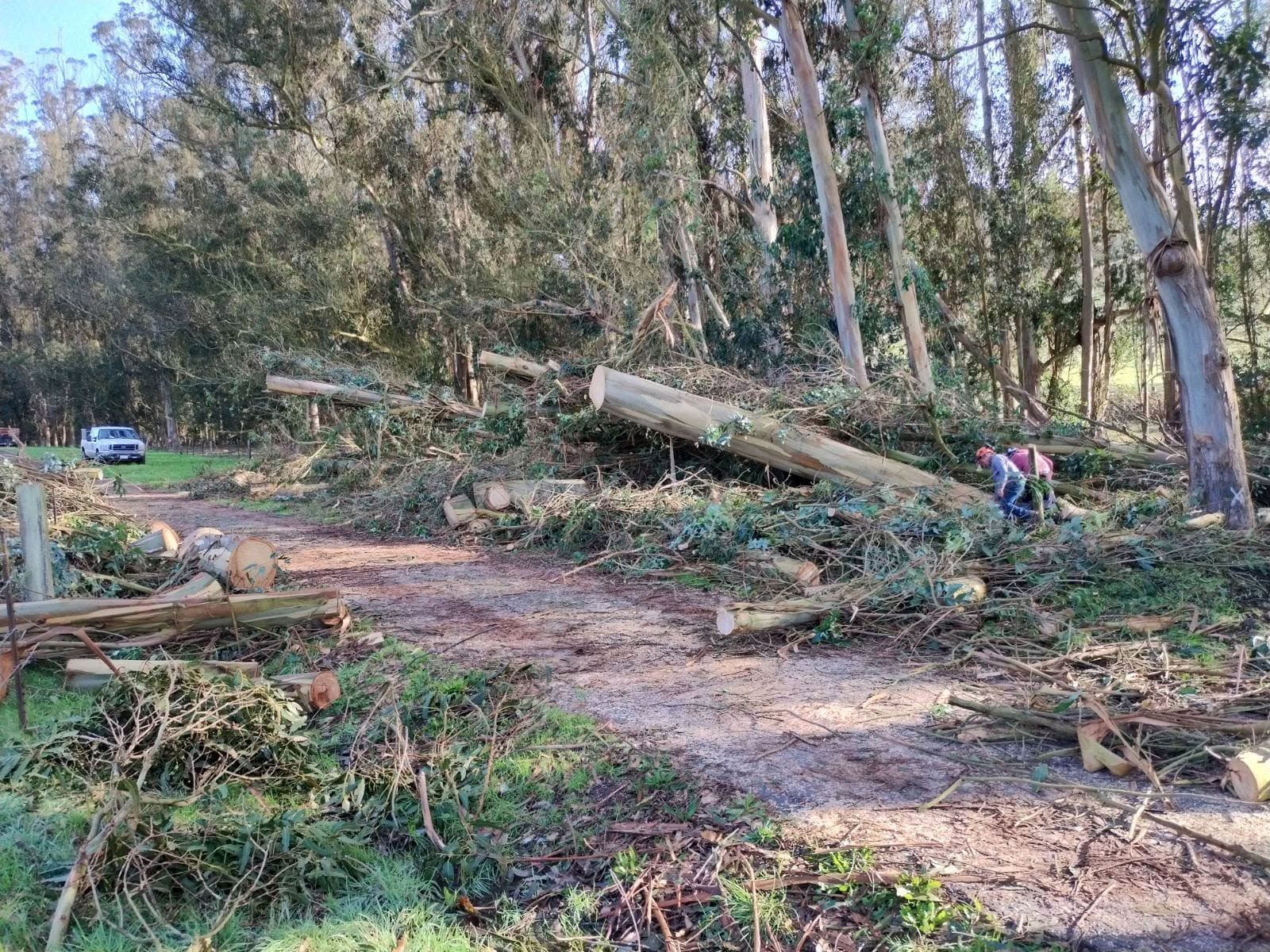
Defensible space work involves removing dead trees and brush within thirty feet of structures, pruning lower limbs to eliminate fuel ladders, thinning dense tree clusters to increase spacing, and clearing combustible material from under decks and along fences. These modifications reduce flame intensity near buildings and create conditions where embers are less likely to find sufficient fuel to establish spot fires.
Schedule seasonal wildfire prevention services before peak fire season to complete required clearances while conditions allow safe work.
What Defensible Space Actually Involves
Creating defensible space means dividing the property into zones based on distance from structures, with Zone 0 requiring complete removal of flammable vegetation within five feet of buildings, Zone 1 extending thirty feet outward with selective tree thinning and brush removal, and Zone 2 reaching one hundred feet with fuel reduction focused on horizontal and vertical spacing. Each zone has specific clearance standards that affect what vegetation remains and how it's maintained, with pruning cuts removing branches within ten feet of the ground to prevent fire from climbing into canopies.
After defensible space work is completed, you'll notice visibly increased spacing between trees and shrubs, eliminated brush accumulation near foundations and outbuildings, and removed ladder fuels that previously connected ground-level vegetation to tree canopies. Emergency vehicle access improves where overgrown vegetation previously narrowed driveways or turnarounds, and the property's overall ignition risk decreases measurably based on fuel load reduction.
The service includes removal of all cut material from the property to prevent debris piles from becoming fire hazards themselves, with chipping or hauling completed during the same visit. JB Tree 365 LLC does not provide vegetation maintenance plans or seasonal monitoring, but the initial clearance creates a baseline that property owners can maintain between professional services.
Fire Prevention Planning Questions
Defensible space decisions often involve balancing fire safety requirements with landscape preservation, understanding what must be removed versus what can remain with modification, and determining appropriate service timing.
What trees can remain within defensible space zones versus which require removal?
Healthy, fire-resistant species like oak can remain if properly spaced and pruned, while highly flammable species like eucalyptus near structures often require removal, with specific decisions based on tree condition, spacing, and zone location.
How does Sebastopol's vegetation type affect fuel reduction priorities?
Mixed oak woodland with understory brush typical in the area requires thinning to break up fuel continuity, while properties with dense conifer stands face higher crown fire risk and need aggressive vertical spacing through lower limb removal.
When should defensible space work be completed relative to fire season timing?
Late winter through spring allows vegetation removal after winter growth and before fire danger escalates, though work can continue into early summer if conditions remain wet enough to control dust and ignition risk from equipment.
What maintenance follows initial defensible space creation?
Annual removal of new growth in cleared areas, continued pruning to maintain vertical clearance under trees, and monitoring for dead vegetation that accumulates seasonally all help sustain the fuel reduction achieved during initial work.
How does defensible space improve property protection beyond fire resistance?
Improved emergency access allows faster response during medical emergencies and other incidents, reduced vegetation near structures decreases pest habitat, and increased sun exposure can reduce moisture-related building maintenance issues.
JB Tree 365 LLC creates compliant defensible space for homeowners, businesses, and rural property owners throughout Sebastopol where fire preparedness is critical to long-term property protection. Arrange a site assessment to identify required clearances and develop a vegetation management plan specific to your property's fuel hazards and zone requirements.