
Removing What Tree Removal Leaves Behind
Stump Grinding in Sebastopol for eliminating trip hazards, clearing space for landscaping, and finishing tree removal projects
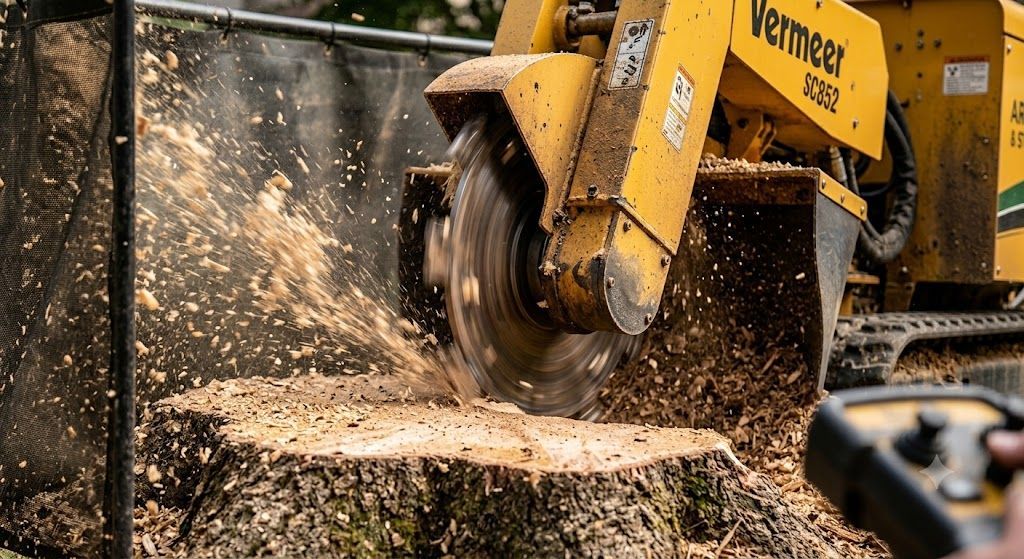
JB Tree 365 LLC provides stump grinding in Sebastopol that removes tree stumps left after removal work or from trees that failed years ago and still occupy usable yard space. The process involves grinding the stump and major surface roots several inches below soil grade, which eliminates the obstruction and allows grass, mulch, or new plantings to cover the area. What remains after grinding is wood chips and loose soil that settle into the depression over the following weeks.
Grinding uses rotating carbide teeth that chew through wood incrementally, working from the outer edges toward the center until the stump is reduced below the target depth. Depth depends on planned use—lawn areas need grinding deep enough that mower blades won't contact wood, while planting beds can often use shallower grinding since roots won't interfere with surface plants.
Schedule stump grinding alongside tree removal to finish the project completely and avoid working around remnants during future landscaping.
What You Notice Once Stumps Are Ground
The stump and major surface roots are reduced to chips and no longer protrude above soil level. Mowing becomes easier without obstacles to navigate around, and yard space opens up for seating areas, garden beds, or pathways that weren't feasible while the stump remained. Wood chips left in the depression can be raked level and covered with soil or mulch.
Grinding doesn't remove the entire root system—lateral roots deeper than grinding depth remain and decay naturally over months or years depending on species. Some trees, particularly oaks, may send up sprouts from remaining roots and require periodic cutting until energy reserves are exhausted. Planting directly over a ground stump works for shallow-rooted plants but may require additional soil depth if installing larger specimens.
Stumps located near fences, foundations, or irrigation lines require careful equipment positioning to avoid contact. Underground utilities should be marked before grinding begins, especially if roots extended toward water or gas lines during the tree's life.
Common Questions About This Service
Owners removing stumps want to understand grinding depth, how the area will look afterward, and whether roots will resprout.
What depth is needed for stump grinding?
Most residential projects grind six to twelve inches below grade, which clears the stump below mowing height and allows grass or mulch to cover the area. Deeper grinding is available if you're installing structures or large plantings over the site.
How does stump grinding in Sebastopol reduce pest issues?
Removing stumps eliminates habitat for carpenter ants, termites, and wood-boring beetles that colonize decaying wood. While the root system remains underground temporarily, removing the above-ground mass reduces attraction and limits accessible nesting sites.
When can the area be replanted after grinding?
You can add mulch or plant shallow-rooted groundcovers immediately after chips are cleared. For larger plants or trees, consider adding topsoil to increase planting depth since wood chips don't provide the structure roots need for anchoring.
Why do some stumps sprout new growth after grinding?
Species like redwood, bay laurel, and live oak store energy in root systems and send up shoots even after the main trunk is removed. Grinding reduces this but doesn't eliminate deep roots, so occasional sprouts may appear and need cutting until reserves deplete.
What happens to the wood chips produced during grinding?
Chips are typically left on-site to fill the depression and can be spread as mulch in planting areas. If you prefer removal, chips can be hauled away for an additional fee, leaving a clean hole ready for soil backfill.
JB Tree 365 LLC grinds stumps of all sizes and provides cleanup that leaves your property ready for its next use. Request an estimate that includes stump count, size, and site access so pricing reflects the actual scope of work.